
Kerrand’s Departure
Winter in SokchoThis flow traces Yan Kerrand’s withdrawal from the narrator, his decision to return to France, and the ambiguous artistic trace he leaves behind.
increasing Bearing strength in each event
 decreasing
Bearing strength in each eventdecreasingThe Door Half Open
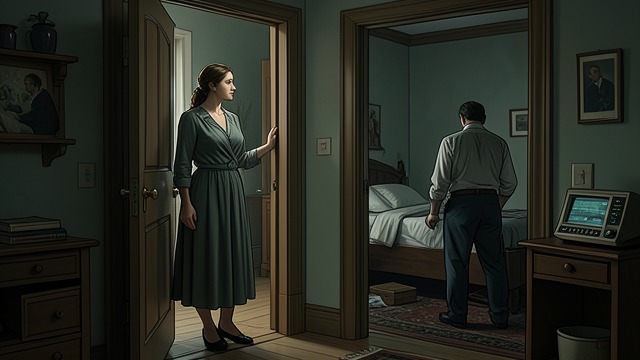
The Door Half Open
A visible private life
Yan Kerrand often leaves his door open, allowing the narrator to see him work or glimpse the discarded drawings in his room. She begins to watch his creative process from the threshold.
His openness is not the same as an invitation; he rarely explains what she sees.
A fragile access
The narrator comes to rely on these glimpses as a form of contact. Their closeness grows through observation rather than through clear promises or conversation.
The Closed Door
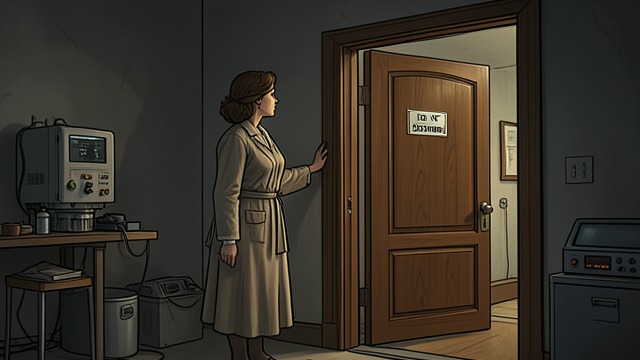
The Closed Door
Withdrawal
After Jun-oh leaves again, Yan Kerrand stays in his room for days with a Do Not Disturb sign on the door. He stops giving the narrator laundry and no longer appears in shared spaces to read.
She sees him outside a convenience store, but he walks past without speaking.
Lost access
The retreat feels to the narrator like a change in their relationship, although she does not know what caused it. His silence makes her increasingly aware of the intimacy she had built from small signs.
A Failed Explanation
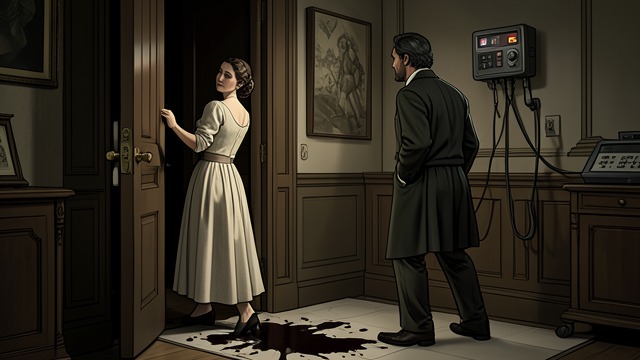
A Failed Explanation
A private reassurance
The narrator knocks and tells Yan Kerrand that Jun-oh’s presence was not what he might think. Yan Kerrand seems not to have been thinking about it and says he needs to work.
When she asks to see the drawings, he refuses because the story is not yet ready.
Anger at the threshold
The refusal makes the narrator speak bluntly: his hero will not find a woman in Sokcho if he is anything like the artist. Yan Kerrand stops mid-gesture, and ink spills across the landscape.
The Departure Notice
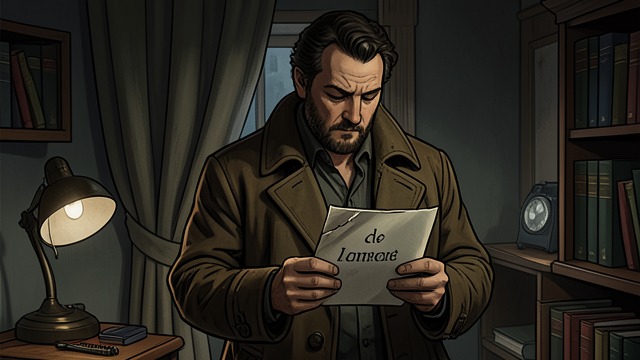
The Departure Notice
An answer in French
Yan Kerrand knocks to ask for a translated word, then changes course and tells the narrator in French that she was right about his fixation on the hero. He has decided to return to France in four days.
He says he will not waste any more of her time.
The narrator’s protest
She experiences his decision not as a neutral departure but as the removal of a story and a gaze she had come to want. His explanation provides a date, not emotional closure.
The Sketchbook Left Behind
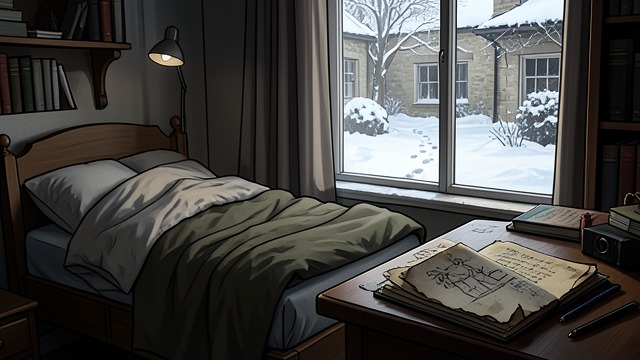
The Sketchbook Left Behind
Snowbound absence
The narrator reaches Yan Kerrand’s room and finds his bed neatly folded, his belongings gone, and footprints leading across the courtyard into the snow.
His frayed sketchbook remains on the desk, and she opens it after sitting in the quiet room.
An incomplete farewell
The book offers images but no explanation of what Yan Kerrand meant by leaving it. His absence remains unresolved, while the pages provide the narrator a final, private encounter with his work.
During the first weeks of his stay
After Jun-oh returns to the guest house
On the fourth evening of Yan Kerrand’s withdrawal
The day after the narrator’s collapse
The morning of his scheduled departure
